Physiotherapist in Gomti Nagar Lucknow: How Can the Right Treatment Help You Recover from Pain and Improve Mobility?

Why Does Pain Affect Everyday Movement?
Pain can influence more than just the affected body part. For example, someone experiencing knee pain may start putting extra pressure on the other leg. Similarly, people with back discomfort may avoid bending, walking or sitting for long periods. Over time, avoiding movement can contribute to muscle weakness, stiffness and reduced flexibility.
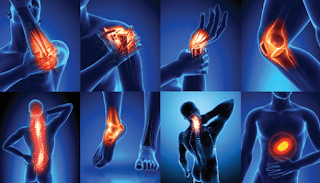
Some common problems that may affect daily mobility include:
Lower back pain and neck stiffness
Shoulder pain and restricted movement
Knee pain and joint discomfort
Sports-related muscle injuries
Posture-related discomfort
Difficulty walking or maintaining balance
Reduced strength after surgery or prolonged inactivity
Understanding the reason behind these problems is important before choosing a suitable treatment approach.
How Can a Physiotherapist in Gomti Nagar Lucknow Help?
A physiotherapist evaluates how your body moves and identifies areas that may need attention. Treatment is generally planned according to your symptoms, physical condition, medical history and recovery goals.
Instead of following the same routine for everyone, a suitable physiotherapy programme considers individual needs.
1. Understanding the Root Cause of Pain
The first step is usually a detailed physical assessment. It may include checking joint movement, muscle strength, flexibility, posture and walking patterns.
The physiotherapist may also ask questions about when the pain started, what makes it worse and which activities are difficult. This assessment helps guide the treatment plan. Sometimes, further medical evaluation may be necessary before starting certain exercises.
2. Improving Strength and Flexibility
Weak muscles and restricted joint movement can make everyday activities difficult. Therapeutic exercises are commonly used to improve strength, flexibility and physical control.
Depending on the individual's condition, exercises may include:
Gentle stretching for tight muscles
Strengthening exercises for weak muscle groups
Mobility exercises for stiff joints
Balance training for better stability
Gradual walking and functional movement practice
Exercises should match the person's ability. Starting with manageable movements and increasing difficulty gradually can support safer progress.
Physiotherapist in Gomti Nagar Lucknow for Different Pain Conditions
Different conditions require different treatment approaches. The type of physiotherapy depends on the symptoms, diagnosis and individual recovery needs.
Back and Neck Pain
Long working hours, prolonged sitting, poor workstation arrangements and limited physical activity may contribute to back and neck discomfort.
Physiotherapy may involve posture education, gentle mobility exercises, strengthening activities and advice about daily movement habits.
Knee and Joint Problems
Knee discomfort can make walking, climbing stairs and standing for long periods uncomfortable. A suitable programme may focus on strengthening the muscles around the knee, improving joint movement and gradually rebuilding activity tolerance.
Sports Injuries
Sports injuries such as muscle strains, ligament injuries and ankle sprains can affect strength and movement. Rehabilitation generally progresses through different stages, beginning with appropriate symptom management and moving towards strength, balance and activity-specific exercises.
Recovery After Surgery
Some people need physiotherapy after procedures such as knee replacement or other orthopaedic surgeries. A rehabilitation programme may include mobility exercises, muscle activation, walking practice and functional training according to the surgeon's recommendations.
What Happens During a Physiotherapy Session?
Many people feel uncertain before their first physiotherapy appointment. Knowing what to expect can make the experience more comfortable.
A typical session may include:
Initial assessment: Understanding your symptoms, medical history and movement difficulties.
Treatment planning: Selecting suitable exercises and other treatment techniques.
Guided exercises: Practising movements under professional supervision.
Progress monitoring: Reviewing changes in strength, flexibility and daily function.
Home exercise guidance: Learning appropriate movements to practise between sessions.
The duration and frequency of treatment depend on the condition. Recovery is different for everyone, so there is no fixed timeline that applies to all patients.
Can Physiotherapy Improve Mobility Without Depending Only on Pain Relief?
Yes, improving mobility is one of the important goals of physiotherapy. Pain relief alone may not address underlying problems such as reduced muscle strength, poor balance or restricted joint movement. Physiotherapy focuses on helping people move more comfortably and confidently.
For example, someone recovering from a knee injury may gradually work towards walking comfortably, climbing stairs and returning to normal activities. Progress may be gradual. Consistency, appropriate exercise selection and professional guidance all play an important role.
How to Choose the Right Physiotherapist in Gomti Nagar Lucknow
Choosing a physiotherapist should involve more than simply looking at location or online ratings. Consider a few practical factors before starting treatment:
Proper qualifications: Check the physiotherapist's educational background and professional credentials.
Individual assessment: Treatment should consider your specific symptoms and physical condition.
Clear communication: You should understand why particular exercises or techniques are recommended.
Realistic expectations: Be cautious of guaranteed results or claims of instant recovery.
Progress tracking: Treatment should be reviewed and adjusted as your condition changes.
A good treatment experience should help you understand your condition and participate actively in your recovery.
Small Daily Habits That Support Better Mobility
Physiotherapy sessions are only one part of maintaining physical health. Everyday habits can also make a difference.
Consider these simple practices:
Take short movement breaks during long working hours.
Maintain a comfortable sitting and working position.
Avoid suddenly increasing physical activity.
Follow exercises recommended by your physiotherapist.
Include regular, suitable physical activity in your routine.
Allow enough time for rest and recovery.
Avoid exercises that increase your pain significantly. Seek professional advice if symptoms become worse.
Frequently Asked Questions (FAQs)
1. Can physiotherapy help with back pain?
Yes, suitable exercises and movement techniques may help manage back pain and improve mobility.
2. When should I visit a physiotherapist?|
When pain, stiffness or movement difficulties start affecting daily activities.
3. How long does physiotherapy recovery take?
It depends on the condition, its severity and individual progress.
4. Can physiotherapy improve knee movement?
Yes, appropriate strengthening and mobility exercises can help improve knee function.
5. Is physiotherapy useful after surgery?
Yes, supervised rehabilitation can help restore strength, movement and daily function.
6. Do I need to exercise at home during physiotherapy?
Your physiotherapist may recommend suitable home exercises to support recovery.
Conclusion: Take a Better Approach Towards Pain and Movement
Living with persistent pain or restricted movement can affect your confidence, comfort and daily routine. The right physiotherapy approach can help you understand your condition, improve physical strength and gradually work towards better mobility. Remember that recovery takes time, and treatment should always be based on individual needs rather than unrealistic promises.If pain, stiffness or movement difficulties are affecting your everyday activities, consider consulting a qualified Physiotherapist in Gomti Nagar Lucknow for an appropriate assessment and guidance. Taking the first informed step can help you work towards a healthier and more active lifestyle.


Comments
Post a Comment