Sports Injury Treatment in Gomti Nagar: What Is the Right Way to Recover from Knee and Muscle Injuries?

What Are the Most Common Types of Sports Injuries?
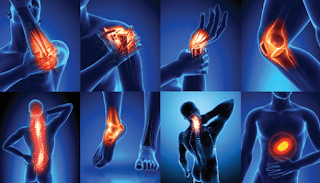
Sports injuries can affect different parts of the body depending on the activity and movement involved. Some common injuries include:
1. Knee Injuries
Knee injuries are common among people who participate in running, jumping, football, and other high-impact activities. They may involve ligament injuries, meniscus problems, or pain around the kneecap.
2. Muscle Strains
Muscle strains happen when muscle fibres are stretched or torn due to sudden movement, excessive exercise, or inadequate preparation before physical activity.
3. Ankle Sprains
An ankle sprain usually occurs when the foot twists unexpectedly. It can cause swelling, tenderness, pain, and difficulty walking.
4. Shoulder Injuries
Activities such as badminton, swimming, weightlifting, and cricket can put stress on the shoulder. Repeated movements may lead to shoulder pain and restricted movement.
5. Tennis Elbow
Tennis elbow is associated with overuse of the forearm muscles and tendons. It can cause pain around the outer part of the elbow, especially while gripping or lifting objects.
What Is the Right Way to Recover from a Sports Injury?
Recovering from a sports injury requires proper assessment, suitable treatment, and gradual rehabilitation. The treatment approach depends on the type and severity of the injury.
Here are some important steps that may support recovery.
1. Get Your Injury Properly Assessed
The first step is understanding what is causing your pain. A physiotherapist or doctor may assess your movement, muscle strength, joint flexibility, swelling, and injury history.
If required, medical imaging such as an X-ray or MRI may be recommended to understand the condition more clearly.
2. Avoid Activities That Increase Pain
Continuing intense physical activity after an injury can make symptoms worse. Give the affected area enough time to recover and avoid movements that increase pain.
However, complete rest is not always necessary. The right level of activity should depend on your injury and professional guidance.
3. Use Physiotherapy for Rehabilitation
Physiotherapy can play an important role in sports injury recovery. A personalised rehabilitation programme may include:
Therapeutic exercises to improve muscle strength.
Stretching to support flexibility.
Mobility exercises to improve joint movement.
Balance training to improve stability.
Functional exercises to prepare for sports activities.
The exercises should be selected according to your injury, fitness level, and recovery progress.
4. Improve Muscle Strength and Flexibility
Weak muscles and limited flexibility can affect body movement and increase stress on certain joints. Strengthening the muscles around the injured area may help improve stability and movement. For example, knee rehabilitation may include exercises for the quadriceps, hamstrings, and hip muscles, depending on the underlying problem.
5. Return to Sports Gradually
One common mistake is returning to sports as soon as the pain starts decreasing. However, reduced pain does not always mean the injury has completely healed.
Before returning to your regular sports activities, you may need to regain adequate strength, balance, flexibility, and sport-specific movement. A physiotherapist can help guide this process.
Can Physiotherapy Help With Knee and Muscle Injuries?
Yes, physiotherapy can help manage many types of sports-related injuries, including muscle strains, knee pain, ankle sprains, and certain ligament problems.
Depending on your condition, treatment may include therapeutic exercises, movement training, manual therapy, and other appropriate rehabilitation techniques.
The main goals of physiotherapy are to:
Reduce pain and improve movement.
Restore muscle strength and flexibility.
Improve balance and coordination.
Support safe return to physical activities.
Reduce the risk of recurring injuries.
The recovery period varies depending on the severity of the injury, individual health, and consistency with rehabilitation.
How Can You Prevent Sports Injuries in the Future?
Preventing sports injuries is just as important as treating them. A few simple habits can help reduce the risk of future problems.
Warm up before exercise: Prepare your muscles and joints with suitable warm-up activities before intense exercise.
Use proper techniques: Incorrect running, jumping, lifting, or landing techniques can place unnecessary stress on your body.
Avoid overtraining: Give your muscles enough time to recover between demanding workouts.
Wear suitable footwear: Choose comfortable sports shoes that provide appropriate support for your activity.
Stay consistent with strengthening exercises: Regular strength and flexibility training can help support better movement and physical performance.
Where Can You Get Sports Injury Treatment in Gomti Nagar?
If sports-related pain is affecting your exercise routine, walking, or everyday activities, seeking professional assessment can be a useful first step. At Rehab Spine Physiotherapy Clinic in Gomti Nagar, Lucknow, physiotherapy and rehabilitation approaches can help individuals work towards improved mobility, strength, and functional recovery.The treatment plan should be based on the individual's condition, symptoms, and rehabilitation requirements rather than using the same exercises for every injury.
Frequently Asked Questions (FAQs)
1. How long does a sports injury take to heal?
Recovery may take a few days to several months, depending on the injury and its severity.
2. Can physiotherapy help with knee sports injuries?
Yes, appropriate physiotherapy may help improve knee strength, flexibility, stability, and movement.
3. Should I exercise after a muscle injury?
Avoid painful or strenuous activities initially. Resume suitable exercises gradually under professional guidance.
4. Can sports injuries happen without playing professionally?
Yes, sports injuries can affect gym users, runners, recreational players, and people performing everyday physical activities.
5. When should I consult a physiotherapist for a sports injury?
Consult a physiotherapist if pain, swelling, stiffness, or movement difficulties persist or affect your daily activities. Severe pain, inability to bear weight, or significant swelling needs prompt medical assessment.
Conclusion
Recovering from a sports injury requires patience, proper assessment, and the right rehabilitation approach. Whether you are experiencing knee pain, muscle strain, an ankle sprain, or shoulder discomfort, timely Sports Injury Treatment in Gomti Nagar can help you work towards better movement and a safer return to physical activities. Do not ignore recurring pain or rush back into intense exercise. Focus on gradual recovery, appropriate exercises, and professional guidance to support your long-term physical health.Take the first step towards recovery. Contact Rehab Spine Physiotherapy Clinic, Gomti Nagar, Lucknow, to discuss your sports injury and physiotherapy needs.


Comments
Post a Comment